




Free Shipping Bar Attributes
-25%
in stock
In stock
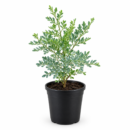
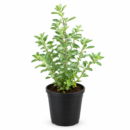
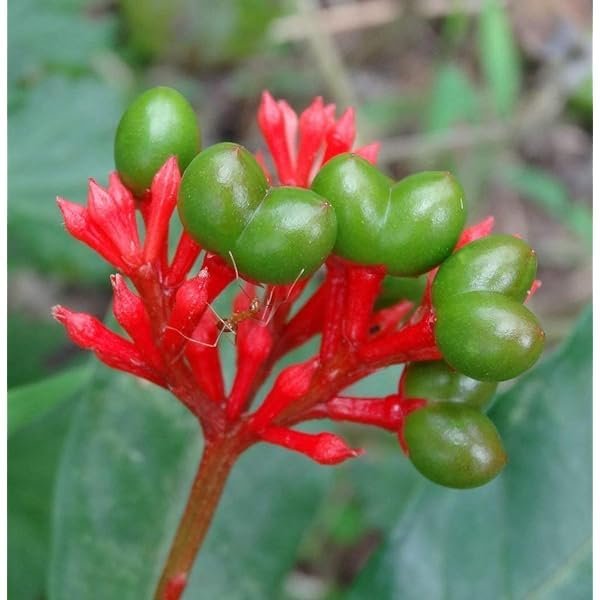
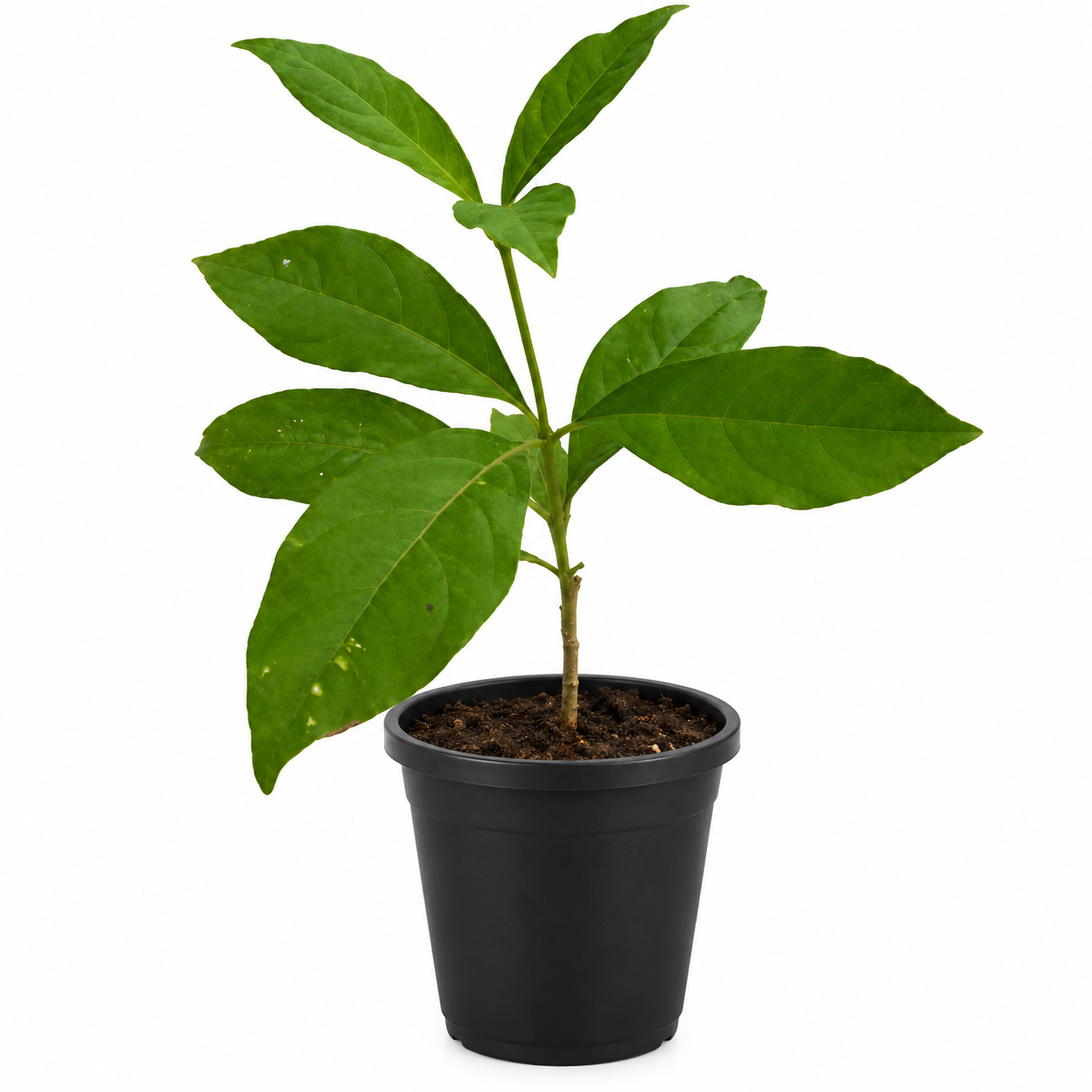
Sarpagandha Plant (Rauvolfia serpentina) – Live Medicinal Plant
2 sold in last 7 hours
Original price was: ₹599.₹449Current price is: ₹449.
Discover Sarpagandha (*Rauvolfia serpentina*), an important medicinal plant with a long history in traditional Ayurvedic practices. Also known as Indian Snakeroot and Chandrika in some regional references, this tropical shrub is recognised for its botanical and traditional medicinal significance. It is an interesting addition to collections of traditional Indian medicinal plants.
Sarpagandha has a history of medicinal use, particularly involving its roots. The plant contains naturally occurring alkaloids, including reserpine, which has a recognised medical history. However, these compounds can have serious effects, and the plant must not be used for self-medication.
Plant Details:
- Common Name: Sarpagandha, Indian Snakeroot
- Scientific Name: Rauvolfia serpentina
- Hindi Name: Sarpagandha
- Marathi Name: Sarpagandha (सर्पगंधा)
- Plant Type: Tropical perennial shrub
- Sunlight: Partial shade to filtered sunlight
- Watering: Keep soil moderately moist without waterlogging
- Best For: Botanical collections and traditional medicinal plant gardens
Important: This listing is for a live plant, not a medicine. Sarpagandha can be toxic and may cause serious adverse effects. Do not consume or use it medicinally without qualified medical supervision.
Description
Description
Sarpagandha Plant (Rauvolfia serpentina) – Traditional Indian Medicinal Plant
Sarpagandha is a historically significant medicinal plant associated with traditional Ayurveda and other herbal traditions. Botanically known as Rauvolfia serpentina, this tropical shrub is recognised for its medicinal history and naturally occurring alkaloids. It is an interesting plant for botanical enthusiasts and collectors of traditional Indian medicinal species.
Unlike ordinary ornamental plants, Sarpagandha has important safety considerations because of its potent chemical constituents. It should be grown for botanical interest and should never be treated as a home remedy or substitute for prescribed medication.
About the Sarpagandha Plant
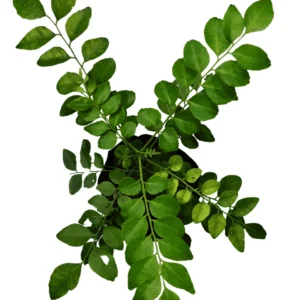
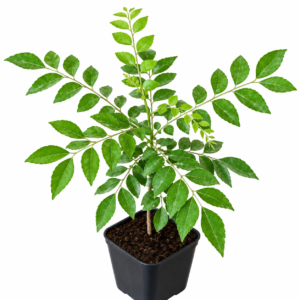
Sarpagandha is a perennial shrub belonging to the Apocynaceae family. It has glossy green leaves, small flowers and distinctive root characteristics. The plant is associated with tropical and subtropical environments and generally prefers warm conditions with filtered light and suitable soil moisture.
- Common Name: Sarpagandha, Indian Snakeroot
- Scientific Name: Rauvolfia serpentina
- Plant Family: Apocynaceae
- Plant Type: Tropical perennial shrub
- Growth Habit: Upright, leafy shrub
- Growing Location: Suitable garden beds and containers with partial shade
Local and Regional Names of Sarpagandha
Sarpagandha is known by different names across India. Regional usage can vary, so botanical identification remains the most reliable way to identify the plant.
- Hindi: Sarpagandha (सर्पगंधा)
- Marathi: Sarpagandha (सर्पगंधा)
- English: Indian Snakeroot, Serpentine Root
- Sanskrit: Sarpagandha is used in traditional botanical and Ayurvedic references
- Scientific Name: Rauvolfia serpentina
Traditional Medicinal Significance of Sarpagandha
1. A Plant with a Long History in Ayurveda
Sarpagandha is documented in traditional Ayurvedic plant knowledge and has a long history of medicinal use. Its historical significance makes it an important species for people studying India’s traditional medicinal plants.
2. Historically Important Alkaloids
The roots contain alkaloids, including reserpine, a compound with a recognised history in modern medicine. This pharmacological significance also explains why Sarpagandha requires particular caution and should not be used casually.
3. Botanical and Educational Interest
Growing Sarpagandha can provide an opportunity to learn about a medicinally significant species, its botanical characteristics and its place in traditional plant knowledge.
Sarpagandha Plant Care Guide
Sunlight
Provide partial shade or bright filtered light. Protect the plant from prolonged exposure to harsh afternoon sun, especially when young or recently transplanted.
Watering
Keep the soil moderately moist during active growth. Water according to soil moisture and weather conditions, and avoid waterlogged soil that can damage the roots.
Soil and Potting Mix
Use fertile, humus-rich, well-draining soil. A suitable potting mix should retain some moisture while allowing excess water to drain freely.
Temperature and Climate
Sarpagandha prefers warm tropical or subtropical conditions. Protect the plant from frost and prolonged cold exposure.
Fertilising
Use mature compost or a balanced fertiliser in moderation during active growth. Follow the fertiliser label instructions and avoid overfeeding.
Pot and Maintenance
Choose a container with drainage holes and adequate space for root development. Remove damaged leaves as needed and monitor the plant for common garden pests.
Important Safety Information
Sarpagandha is a pharmacologically active plant. Its constituents, including reserpine, can cause serious adverse effects, and the plant should not be consumed or used to prepare home remedies.
Do not use Sarpagandha to self-treat high blood pressure, sleep problems, anxiety or any other health condition. It can interact with medicines and may cause significant adverse effects. Anyone requiring treatment for a medical condition should consult a qualified healthcare professional.
This product is sold as a live plant for botanical and gardening interest, not as a medicine or a recommendation for medicinal use.
What Will You Receive?
You will receive a live Sarpagandha plant (Rauvolfia serpentina) according to the selected product option. Please check the product specifications for the plant height, quantity supplied, pot inclusion and dispatch condition.
Natural variations in height, leaf count and appearance are normal for living plants and may depend on the season and growth stage.
Frequently Asked Questions
What is the scientific name of Sarpagandha?
The scientific name is Rauvolfia serpentina.
What is Sarpagandha called in English?
It is commonly known as Indian Snakeroot or Serpentine Root.
Can Sarpagandha be grown at home?
It can be grown in a suitable garden or container with appropriate warmth, partial shade, fertile soil and careful watering. Keep it clearly labelled and away from children and pets.
Is Sarpagandha a medicinal plant?
Yes. It has a history of use in traditional medicine and contains pharmacologically active alkaloids. However, this does not make the live plant safe for self-medication.
Can Sarpagandha be used for high blood pressure?
Do not use the plant or its roots to self-treat high blood pressure. Sarpagandha contains potent compounds and can cause serious adverse effects. Seek appropriate medical advice for blood pressure management.
Buy Sarpagandha Plant Online at RootedBox
Add a botanically significant Indian shrub to your collection with the Sarpagandha plant. Explore RootedBox.in for live plants and gardening essentials to support your growing journey.
Additional Information
Additional information
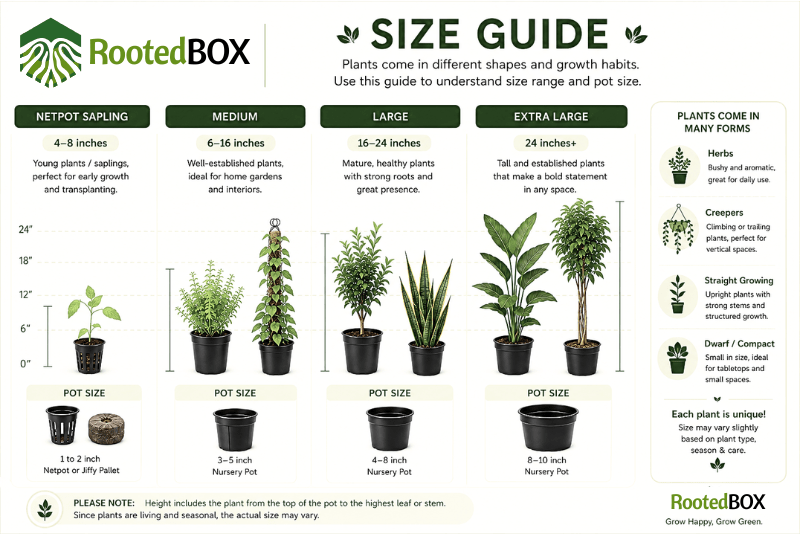
| Size | Medium |
|---|
Customer Reviews
Related products

Out of stock
-
-90%
-
-30%
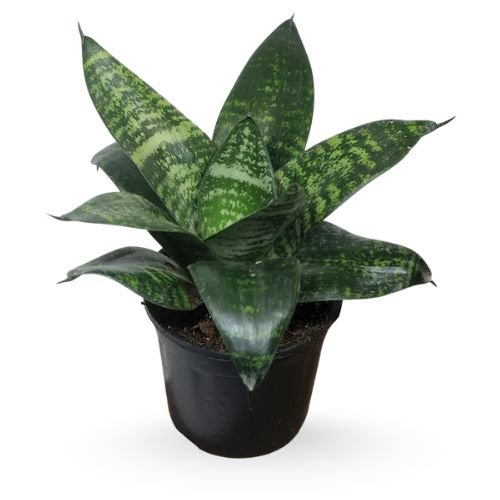
Sansevieria Green Dwarf Snake Plant
Original price was: ₹399.₹279Current price is: ₹279. Select options -
Out of stock
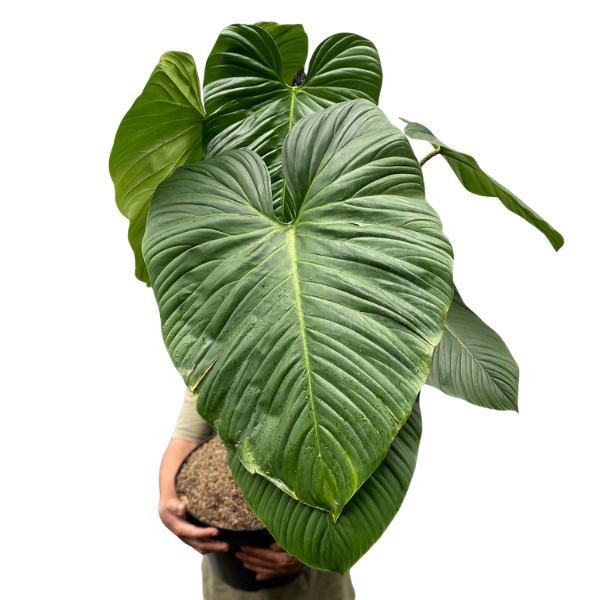
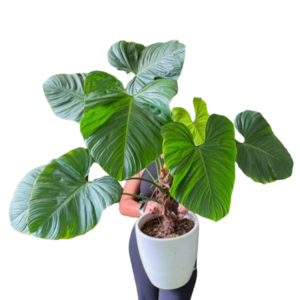
Philodendron Nangaritense | Rare Indoor Tropical Beauty
Original price was: ₹499.₹345Current price is: ₹345. Out of Stock -
Out of stock
-
Out of stock
-
-14%
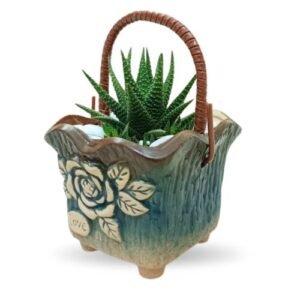
Haworthia Plant in Decorative Basket Pot – Perfect Gift
Original price was: ₹699.₹599Current price is: ₹599. Add to cart -
Out of stock
-
Out of stock
-
-33%
