


Free Shipping Bar Attributes
-31%
in stock
In stock
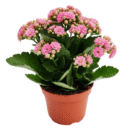
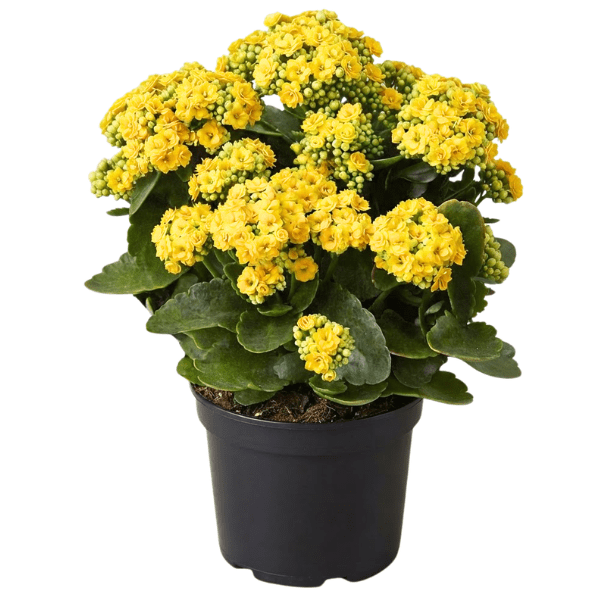
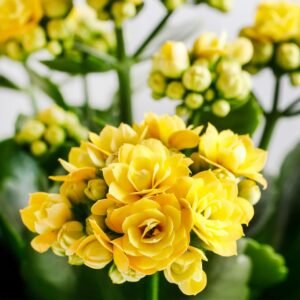
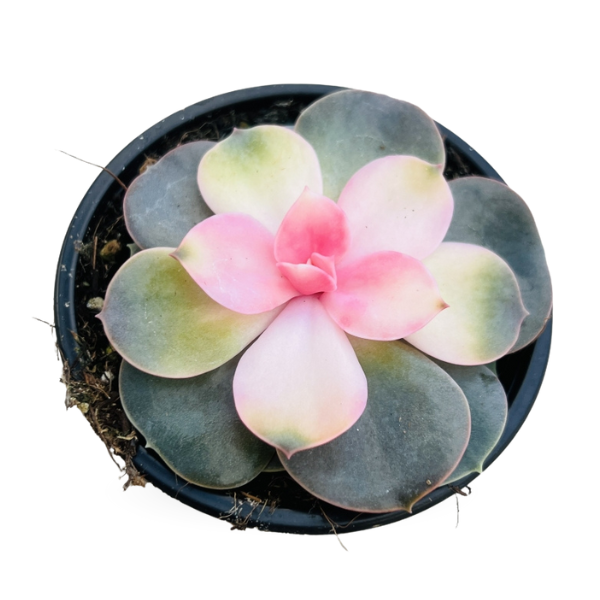
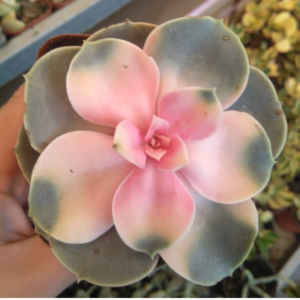
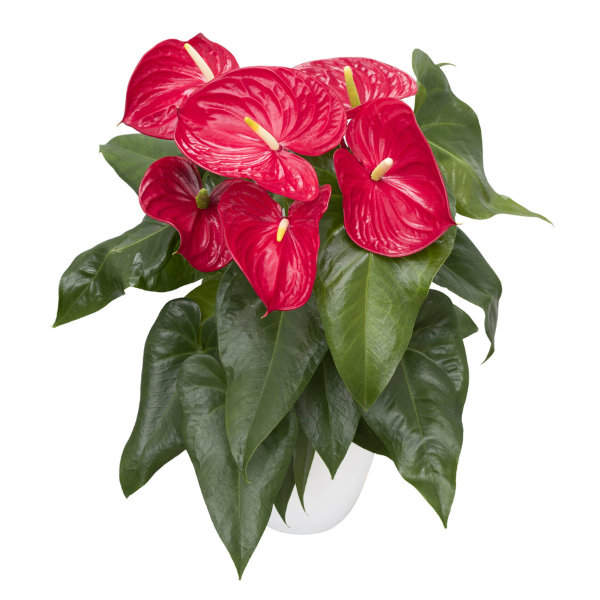
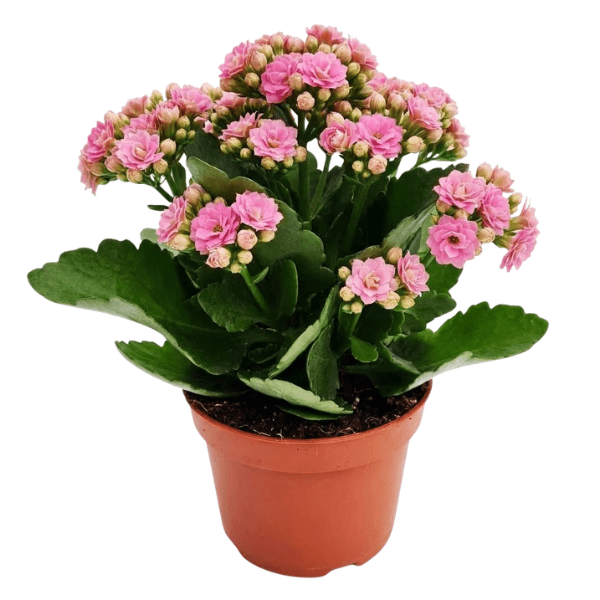
Baby Pink Kalanchoe Plant – Kalanchoe blossfeldiana
33 sold in last 7 hours
Original price was: ₹499.₹345Current price is: ₹345.
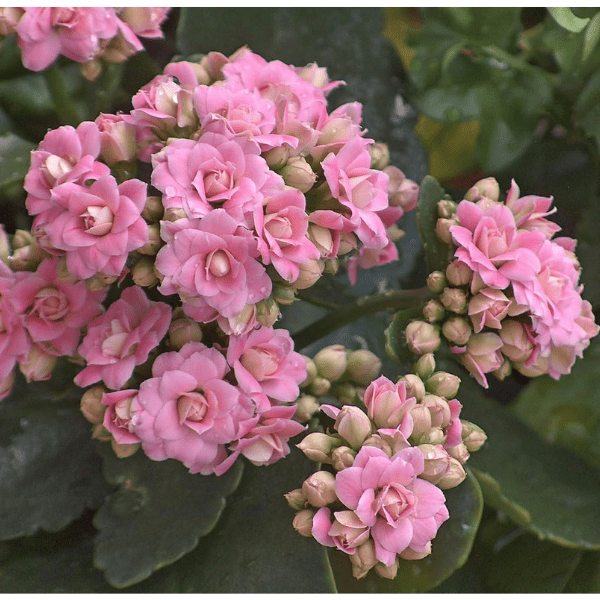
Baby Pink Kalanchoe Plant (Kalanchoe blossfeldiana) is a charming flowering succulent admired for its clusters of delicate baby-pink blooms and thick, glossy green leaves. Compact, colourful and relatively easy to care for, it is an excellent choice for windowsills, balconies, desks and indoor plant displays. A lovely flowering plant for gifting and adding a soft pop of colour to your home.
Key Features: Baby pink flowers | Compact flowering plant | Succulent foliage | Relatively low maintenance | Excellent home & office décor | Beautiful flowering gift plant
Description
Description
Baby Pink Kalanchoe Plant – Kalanchoe blossfeldiana
Bring a soft touch of colour to your home with the Baby Pink Kalanchoe Plant (Kalanchoe blossfeldiana). This attractive flowering succulent produces charming clusters of small pink flowers above thick, glossy green leaves, creating a beautiful contrast that works well in both traditional and modern interiors.
Compact and decorative, the Baby Pink Kalanchoe is a popular choice for homes, offices, balconies, windowsills, desks and gifting. Its succulent-like leaves store water, allowing the plant to tolerate periods between watering when grown in a well-draining potting mix.
With adequate light and proper watering, Kalanchoe can reward you with colourful blooms while remaining relatively easy to maintain.
Why Own a Baby Pink Kalanchoe?
Beautiful Baby Pink Flowers
The soft pink blooms give this Kalanchoe a cheerful and elegant appearance. Its clusters of small flowers create a colourful display without requiring a large amount of space.
Compact Flowering Plant
Its naturally compact growth makes it ideal for smaller homes, apartments, desks, shelves, windowsills and balconies with suitable light.
Easy-Care Flowering Plant
Kalanchoe is a succulent-type flowering plant that generally prefers less frequent watering than many tropical houseplants. Allowing the growing medium to dry between waterings helps maintain healthy roots.
Perfect for Home Décor
The combination of glossy green foliage and baby-pink flowers makes it an attractive addition to living rooms, bedrooms, workspaces, dining areas and balconies.
Beautiful Plant Gift
A flowering Kalanchoe makes a thoughtful choice for birthdays, housewarmings, anniversaries, festive occasions or simply as a cheerful gift for someone who loves plants.
Baby Pink Kalanchoe Light Requirements
Kalanchoe performs best in bright light.
Indoors, place the plant near a bright window where it receives plenty of natural light. Gentle morning sunlight can be beneficial, while harsh afternoon sunlight may scorch the leaves, particularly behind hot glass.
- Bright indirect light: Ideal indoors
- Gentle morning sunlight: Suitable
- Filtered outdoor light: Suitable
- Harsh afternoon sunlight: Avoid or gradually acclimatise
- Very low light: May result in weak growth and fewer flowers
Good light is particularly important if you want your Kalanchoe to continue flowering.
Watering Guide
As a succulent-type plant, Kalanchoe stores water in its thick leaves and does not like constantly wet soil.
Allow the growing medium to dry before watering again. When watering, water thoroughly and allow excess water to drain completely through the drainage holes.
Avoid frequent small amounts of water. It is generally better to water thoroughly and then allow the soil to dry.
Watering requirements will vary according to temperature, humidity, pot size, soil, light and season.
Temperature & Humidity
Baby Pink Kalanchoe prefers warm, well-ventilated conditions and generally adapts well to typical Indian indoor environments.
- Keep it in a warm, bright location.
- Provide good ventilation.
- Avoid prolonged exposure to cold drafts.
- Keep it away from direct air-conditioning vents.
- Avoid excessive humidity combined with constantly wet soil.
Unlike many tropical plants, Kalanchoe does not require very high humidity. Good airflow and controlled watering are more important.
Baby Pink Kalanchoe Care Across India
Mumbai, Pune & Coastal Maharashtra
Humidity and monsoon conditions require particular attention to watering.
- Keep the plant in bright filtered or indirect light.
- Use a fast-draining succulent or cactus mix.
- Reduce watering during prolonged rainy periods.
- Provide good ventilation.
- Never allow the pot to remain in standing water.
Monsoon Tip: High humidity does not mean the plant needs frequent watering. Check the soil before watering.
Kerala, Goa & Other Humid Coastal Regions
Humid conditions can make the growing medium dry slowly.
- Use a very well-draining soil mix.
- Provide bright filtered light.
- Ensure good air circulation.
- Water only when the growing medium has dried sufficiently.
Delhi, Rajasthan & Hot, Dry Regions
Kalanchoe can tolerate relatively dry conditions, but intense summer sunlight can scorch the foliage.
- Provide bright light.
- Protect from extreme afternoon heat.
- Check the soil before watering.
- Do not overwater to compensate for hot weather.
- Keep the plant away from hot air blowing directly from windows or appliances.
Bengaluru, Hyderabad & Central/Southern India
- Bright light is ideal.
- Allow the soil to dry between watering.
- Use a well-draining succulent mix.
- Protect from harsh afternoon sunlight.
- Provide good ventilation.
North India During Winter
Kalanchoe growth can slow during colder weather.
- Keep the plant in a bright indoor location.
- Reduce watering as the soil dries more slowly.
- Protect the plant from cold drafts.
- Avoid keeping the roots constantly wet.
How to Encourage Kalanchoe to Flower
Good light is essential for healthy flowering. Place your Kalanchoe in a bright location and avoid overwatering.
After the current flowers fade, remove spent flower clusters to keep the plant looking tidy and encourage fresh growth.
Kalanchoe flowering is influenced by light duration, temperature, plant maturity and growing conditions, so flowering may vary naturally throughout the year.
What To Do When Your Kalanchoe Plant Arrives
Your plant has travelled in a parcel and may experience temporary transportation stress. A few flowers or leaves may move, bend or drop during transit.
Do Not Immediately Repot
Do not immediately uproot or repot the plant after delivery.
Carefully remove the packaging and place the Kalanchoe in a bright location with indirect or filtered light.
Allow approximately 5–10 days to acclimatise before repotting unless the existing container is damaged or there is an urgent issue with the root system.
Check the Soil Before Watering
Do not water automatically when the parcel arrives.
Check the growing medium first. If it is already moist, allow it to dry before watering again.
If the soil is dry, water thoroughly and allow excess water to drain completely.
Avoid Fertiliser Immediately
Do not fertilise immediately after delivery. Allow the plant to settle into its new environment first.
Repotting Baby Pink Kalanchoe
After the plant has acclimatised, repot it if required.
Choose a pot approximately 1–2 inches wider than the existing root ball or growing container.
Avoid using a very large pot because excess soil can retain moisture for too long and increase the risk of root problems.
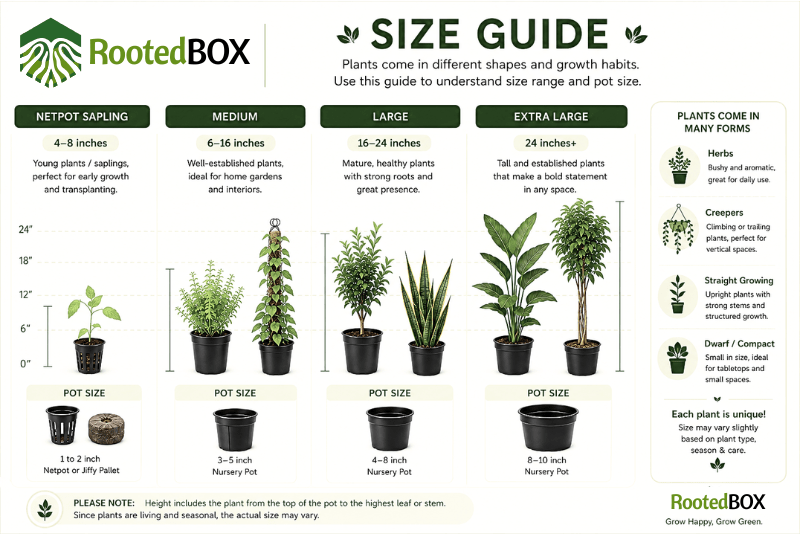
Suggested Pot Sizes
- Small plant: 4–5 inch pot
- Medium plant: 5–6 inch pot
- Larger plant: 6–8 inch pot
The ideal pot size should be based on the root ball rather than simply the height of the plant.
Always use a pot with drainage holes.
If Your Plant Arrives as a Netpot Sapling
If your Baby Pink Kalanchoe arrives as a netpot sapling, avoid immediately pulling it out of the net pot.
Allow the plant to acclimatise first and keep the root ball and growing medium as intact as possible when transplanting.
When transferring:
- Allow the plant to acclimatise for approximately 5–10 days.
- Select a pot only slightly larger than the existing root system.
- Use a well-draining succulent or cactus potting mix.
- Carefully position the existing root ball in the new pot.
- Avoid aggressively washing or removing the growing medium from the roots.
- If roots have grown through the net pot, handle them gently.
- Maintain the same planting depth.
- Do not bury the stem deeper than it was previously planted.
- Water according to the moisture level of the growing medium.
- Place the plant in bright light after repotting.
Best Soil Mix for Baby Pink Kalanchoe
Kalanchoe prefers a loose, porous and fast-draining growing medium.
A suitable mix can contain:
- Cocopeat or coco coir
- Perlite
- Coarse sand or pumice
- Coco husk chips
- Well-decomposed organic matter in moderation
- Quality succulent or cactus potting soil
The goal is to prevent water from remaining around the roots for long periods.
Fertilising Baby Pink Kalanchoe
During active growth, Kalanchoe can benefit from occasional feeding with a balanced, diluted fertiliser.
Use the dosage recommended by the fertiliser manufacturer and avoid excessive feeding.
Do not fertilise immediately after delivery or repotting. Allow the plant to settle first.
Common Baby Pink Kalanchoe Problems
Yellow or Soft Leaves
Yellow, soft or mushy leaves can be a sign of excessive watering or poor drainage.
Allow the soil to dry and check that the pot has adequate drainage.
Wrinkled Leaves
Wrinkled or slightly soft leaves can indicate that the plant needs water, although the soil should always be checked before watering.
Brown or Scorched Leaves
Brown patches can result from intense direct sunlight, especially during hot summer conditions.
Move the plant to bright filtered or indirect light.
Few or No Flowers
Insufficient light, unsuitable temperatures, plant maturity and natural seasonal changes can affect flowering.
Provide bright light and avoid excessive watering.
Flower Drop After Delivery
Some flowers may drop after transportation because of movement and environmental changes. This can be a temporary response to transport stress and does not necessarily mean the plant is unhealthy.
Plant Size & Flowering
Plant height, number of branches, number of flower clusters, flower buds and bloom stage can vary depending on the available specimen and season.
The plant you receive may not look exactly like the product photographs.
Plants are living products and their appearance naturally changes with growth, flowering cycles, season and growing conditions.
Why Baby Pink Kalanchoe Is a Great Choice
If you are looking for a pink flowering plant for your home, Baby Pink Kalanchoe is an excellent choice. Its compact size, attractive flowers and relatively easy care make it suitable for both experienced gardeners and beginners.
It is particularly suitable for:
- Home décor
- Office desks
- Windowsills
- Balconies
- Small apartments
- Flowering plant collections
- Plant gifts
- Birthday and housewarming gifts
- Festive décor
Safety Information
Kalanchoe plants should not be ingested. Keep the plant away from children and pets that may chew or consume plant material.
Bring Home a Baby Pink Kalanchoe
Add a cheerful splash of soft pink to your indoor garden with the Baby Pink Kalanchoe Plant (Kalanchoe blossfeldiana).
Its compact growth, glossy succulent foliage and clusters of delicate pink flowers make it an attractive choice for homes, offices, balconies and gifting.
Provide bright light, well-draining soil and careful watering to enjoy a healthy and attractive Kalanchoe plant.
Frequently Asked Questions
Is Baby Pink Kalanchoe an indoor plant?
Yes. Baby Pink Kalanchoe can be grown indoors in a bright location, such as near a well-lit window. It can also be grown outdoors in suitable filtered or morning sunlight.
How often should I water Baby Pink Kalanchoe?
Allow the growing medium to dry before watering again. Water thoroughly and allow excess water to drain. Avoid keeping the soil constantly wet.
Does Kalanchoe need sunlight?
Yes. Bright light is important for healthy growth and flowering. Gentle morning sunlight can be beneficial, while harsh afternoon sunlight should be avoided.
Is Baby Pink Kalanchoe easy to grow?
Yes. Kalanchoe is generally considered a relatively easy-care flowering plant when grown in bright light and well-draining soil with controlled watering.
When should I repot my Kalanchoe after delivery?
Allow the plant approximately 5–10 days to acclimatise before repotting unless there is an urgent issue with the existing container or root system.
What size pot is best for Baby Pink Kalanchoe?
Choose a pot approximately 1–2 inches wider than the existing root ball. Avoid excessively large pots because they can retain moisture for too long.
Why are my Kalanchoe flowers dropping?
Some flower drop can occur after transportation or environmental changes. Insufficient light, watering problems and natural flowering cycles can also affect blooms.
Can Baby Pink Kalanchoe grow in a netpot?
Yes. If supplied as a netpot sapling, allow the plant to acclimatise first and then transplant it carefully into a slightly larger pot using a well-draining succulent or cactus mix.
Additional Information
Additional information
| Size | Sapling Netpot, Medium |
|---|
Customer Reviews
Related products
 -30%
-30%-
Out of stock
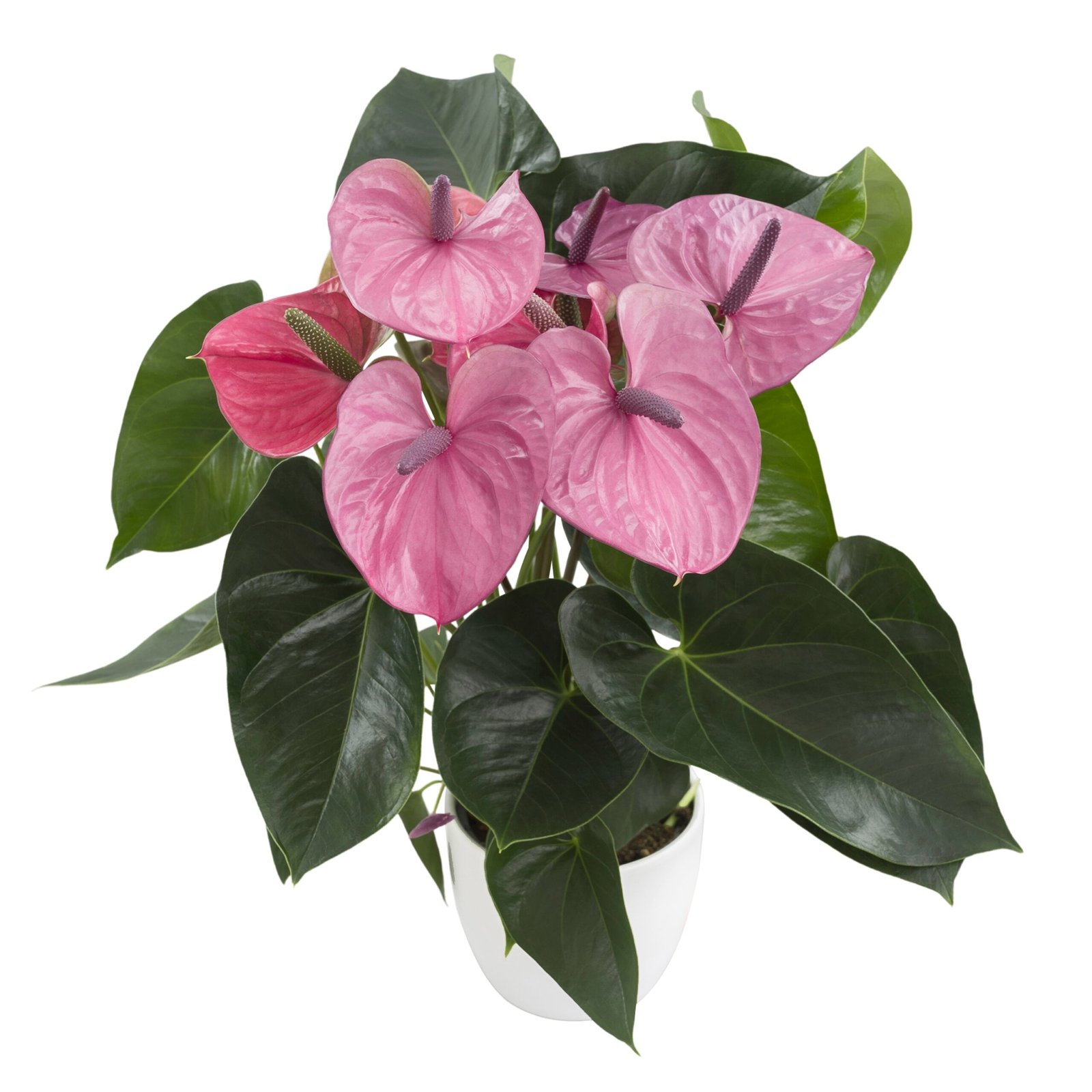
Anthurium Cavalli® – Light Purple Indoor Flowering Plant
Original price was: ₹699.₹499Current price is: ₹499. Out of Stock -
Out of stock
-
-67%
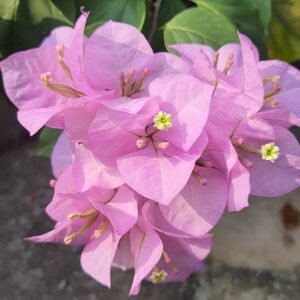
Bougainvillea Pink Plant – Flowering Outdoor Climber
Original price was: ₹180.₹59Current price is: ₹59. Select options -
Out of stock
Echeveria ‘Rainbow’ Variegated – Rare Colorful Succulent
Original price was: ₹299.₹245Current price is: ₹245. Out of Stock -
-29%
-
-42%
Spathiphyllum ‘Silver Streak’ – Variegated Peace Lily
Original price was: ₹599.₹349Current price is: ₹349. Select options -
Out of stock
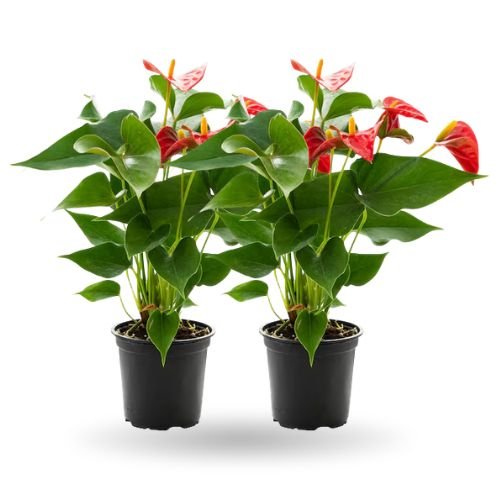
Anthurium ‘Chocolate’ – Rare Flowering Plant
Original price was: ₹699.₹499Current price is: ₹499. Out of Stock -
Out of stock
Poinsettia Red Glitter (Large Size)| Christmas Flowering Plant
Original price was: ₹899.₹449Current price is: ₹449. Out of Stock -
-17%
White Bird of Paradise – Strelitzia Nicolai
Original price was: ₹599.₹499Current price is: ₹499. Select options